


September 10, 2026
By
DuoHide
Leather Sourcing & Sustainability: Understanding Ethical Leather Production
In today’s global fashion and manufacturing landscape, sustainability is no longer an afterthought—it is a core requirement for brands, retailers, and conscious consumers alike. Modern international buyers demand complete transparency regarding material origins, environmental impact, and ethical labor practices. As the industry evolves, understanding how leather is sourced, processed, and finished responsibly has become vital to building trustworthy, long-term commercial relationships.
At DuoHide, we believe that luxury craftsmanship and environmental stewardship must go hand in hand. Genuine leather, when sourced ethically as a byproduct of agriculture and processed using responsible tannery methods, represents one of the most durable, biodegradable, and sustainable natural materials available. This guide explores our ethical sourcing standards, eco-friendly tanning methodologies, and commitment to sustainable leather goods manufacturing.
Responsible Sourcing as an Agricultural Byproduct
A common misconception in the fashion industry surrounds the primary origin of hides. True ethical leather production utilizes hides that are natural byproducts of the global food and agricultural industries.
Ethical sourcing practices focus on resource efficiency and waste reduction:
1. Byproduct Utilization: Over 99% of raw cattle, sheep, and goat hides processed for leather production are diverted from landfills, converting agricultural waste into valuable, long-lasting products.
2. Traceability & Certified Farms: Partnering with accredited farms ensures raw hides are obtained from livestock raised under humane agricultural guidelines and strict animal welfare regulations.
3. Landfill Waste Prevention: Transforming biological food industry waste into durable leather goods prevents millions of tons of organic material from decomposing in landfills each year.
Eco-Friendly Tanning Methodologies
The tanning process transforms raw hide into a stable, durable material. Traditional industrial tanning often relied on harsh chemicals, but modern sustainable tanneries utilize cleaner, closed-loop technologies.
Key sustainable tanning protocols include:
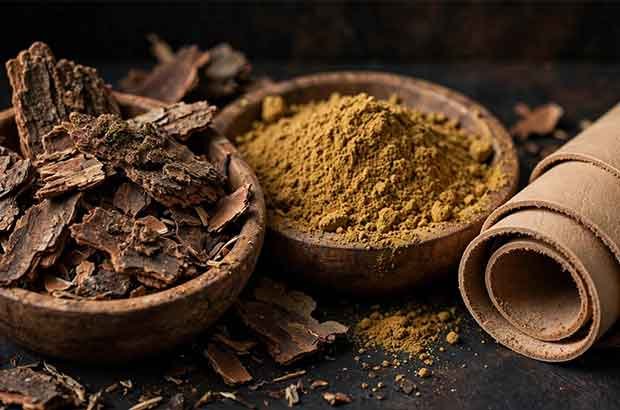
1. Vegetable Tanning (Veg-Tan): An ancient, eco-conscious tanning method utilizing natural tannins derived from tree bark, leaves, and plant extracts. Vegetable-tanned leather is non-toxic, highly durable, and completely biodegradable over time.
2. Chrome-Free Alternative Tannages: Utilizing modern aldehyde-free or organic wet-white tanning solutions to produce supple, lightweight leathers without heavy metal pollutants.
3. Closed-Loop Water Recycling: Partnering with advanced tanneries equipped with effluent treatment plants (ETPs) that recycle up to 90% of process water and prevent toxic runoff into natural ecosystems.
"True sustainability lies in longevity and circular design. Crafting products from natural, ethically sourced hides that last for decades is the ultimate antidote to fast fashion waste."
— DuoHide Sustainability Team
Waste Reduction, Upcycling, and Biodegradability
Beyond raw hide sourcing and tanning, responsible manufacturing requires minimizing physical waste throughout the production pipeline.
Key sustainable manufacturing practices:
1. Zero-Waste Leather Cutting: Utilizing advanced digital pattern layout software to optimize hide yield and minimize cutting scraps during bulk production.
2. Scrap Leather Upcycling: Repurposing leather offcuts and smaller scraps into small leather goods, cord organizers, keychains, and internal structural reinforcements.
3. Natural Biodegradability: Unlike synthetic polyurethane (PU) and polyvinyl chloride (PVC) leathers that break down into microplastics and remain in landfills for centuries, genuine vegetable-tanned leather decomposes naturally at the end of its long life cycle.
- Critical certifications and compliance benchmarks:
- LWG (Leather Working Group) Standards: Sourcing materials primarily from tanneries audited and certified for energy efficiency, waste management, and chemical safety.
- REACH Compliance: Ensuring all finished leathers and hardware components strictly adhere to European chemical safety regulations, free from harmful substances like Chromium VI or restricted azo dyes.
- Ethical Labor Practices: Guaranteeing safe, fair, and regulated working conditions for artisans and workshop technicians across every stage of manufacturing.
For forward-thinking brands, corporate procurement teams, and individual consumers, choosing ethically produced leather goods is a commitment to quality, heritage, and environmental responsibility. By prioritizing transparent sourcing, eco-friendly tannage, and zero-waste production practices, DuoHide continues to deliver premium leather goods that honor both craftsmanship and the planet.
Partnering with a responsible manufacturer ensures your brand delivers exceptional products that meet modern international sustainability standards without compromising on durability, beauty, or luxury appeal.